
Understanding Water Heaters: A Simple, Complete Guide for Homeowners

Cala Systems
January 13, 2025

Understanding Water Heaters: A Simple, Complete Guide for Homeowners

Cala Systems
January 13, 2025

Understanding Water Heaters: A Simple, Complete Guide for Homeowners

By
Cala Systems
|
January 13, 2025

If you're a homeowner starting your water heater purchase journey, or you’ve found it difficult to sort through all the information to understand your different options, this guide will provide clarity by breaking down the fundamental characteristics that define every water heater so you can make an informed decision for your home.

The Five Essential Characteristics of Water Heaters

To understand your purchase options, you just need to grasp five basic characteristics of water heaters:

  • Fuel Type
  • Heating Technology
  • Physical Type (Tank vs. Tankless)
  • Sizing
  • Intelligence

Let’s explore each of these in detail.

1. Water Heater Fuel Type

In the US, most water heaters operate on one of three types of fuel:

  • Natural gas: ~47% of installations
  • Electricity: ~46% of installations
  • Oil and propane (“delivered fuels”, arrive by truck): ~7% of installations

While these make up the vast majority of water heaters, there are some other corner cases like solar water heaters which use energy from the sun harnessed via a home’s solar panels.

2. Water Heating Technology

This characteristic is easy to confuse with fuel type, but is not quite the same thing – fuel is what provides the energy to heat the water, but heating technology is how that energy is used to heat. Let’s break this down by looking at the heating technologies used by systems with different fuels.

Electricity

  • Heat Pump Water Heater: Transfers heat from one space to another – think of an air conditioner or a refrigerator – by using a compressor to move refrigerant (a liquid good at transferring heat) through the system. While the performance depends on the temperature of the ambient air, they are far more efficient than other types of heating technology and can even operate in colder climates, contrary to popular myth.
  • Electric Resistance Water Heater: Heats the water directly with resistance elements, just like a toaster. This technology dates back over 100 years, and while it heats water quickly, it’s very inefficient.

Natural Gas

  • Standard/Non-Condensing Water Heater: Uses a flame below the tank to heat the water. While these units are relatively inexpensive, they operate at only around 60-65% efficiency and can also produce harmful fumes.
  • Condensing Water Heater: Similar to a standard natural gas water heater, but is able to extract additional heat from the combusted gas making it more efficient but also more expensive.

Oil or Propane

  • Standard Propane Water Heater: Similar to a standard natural gas water heater but uses propane which contains a higher energy content making it more efficient to operate, but usually more expensive to buy upfront.
  • Indirect Water Heater: Uses a home’s oil-fired furnace or boiler to heat water in a separate storage tank. These systems are common in the Northeast.

3. Water Heater Physical Type (Tank vs. Tankless)

This characteristic divides water heaters into two categories based on their physical construction

  • Tank-based systems, also called Storage Tank water heaters
  • Tankless systems, also called Instantaneous or On-Demand systems

Let’s look at how they compare:

Basic Operation

  • Tank: Uses energy to heat water which is held in a storage tank.
  • Tankless: Uses energy to heat water on demand as it’s needed.

Power Requirements

  • Tank: Uses electricity, natural gas, oil, or propane as a fuel. See previous sections for descriptions.
  • Tankless: Requires very high power because they must heat the water “instantly” as it’s called for. Most tankless systems use natural gas although electric tankless systems are available, primarily in the southern US. 

Installation and Maintenance

  • Tank: Typical sizes are 50, 65, and 80 gallons, meaning they can store a good amount of hot water but require more space in a home. Installation costs vary depending on the existing system (like-for-like replacements are less expensive than, say, converting from a natural gas to an electric or heat pump water heater). 
  • Tankless: Compact size offers space-saving advantages. Installation can be costly due to the larger gas lines and/or higher electrical capacity required, as well as yearly maintenance costs to ensure proper operation due to the high temperatures the system needs to heat water on demand.

Performance Characteristics

  • Tank: Properly sized storage tank water heaters will provide adequate hot water for a home with high demand usage.
  • Tankless: While these systems often promise “endless” hot water, in reality they’re not the best fit for homes with higher demand, like multiple showers back to back or at the same time.

4. Sizing Your Water Heater

Sizing your water heater is a critical characteristic to ensure you’re not under or overproviding hot water. Sizing is most relevant to storage tank water heaters and depends on:

  • How many people are in the home
  • Typical hot water usage some text
    • Average usage = 1 shower/day per person + handwashing, dishwashing
    • High usage = multiple showers/day per person, simultaneous showers, and/or back-to-back showers
  • 50 Gallons: Up to 4 people with average usage, or 2-3 people with high usage
  • 65 Gallons: Up to 4-6 people with average usage, or 4 people with high usage
  • 80 Gallons: 6+ people with average usage, or smaller homes with exceptionally high demand

5. Water Heater Intelligence

Intelligence in water heaters represents a recent evolution in functionality, but not all intelligence is created equal. These features are typically limited to heat pump water heaters and electric resistance water heaters.

Basic Intelligence

  • Many water heaters have recently added basic “smart” features that offer limited benefits, usually tied to a companion smartphone app that allows you to:some text
    • Remotely control the unit
    • Manually program schedules
    • Do basic monitoring of energy consumption

Advanced Intelligence

  • Few water heaters offer advanced intelligence delivering significant benefits such as:some text
    • Automatically optimizing heating to minimize costs
    • Automatically optimizing heating to minimize carbon emissions
    • Automatically synchronize water heating to coordinate with your home solar
    • Automatically adjusting water heating temperatures and schedules based on your home’s unique hot water usage patterns

In the final section, we’ll characterize Cala based on what we’ve learned.

How Does Cala Stack Up?

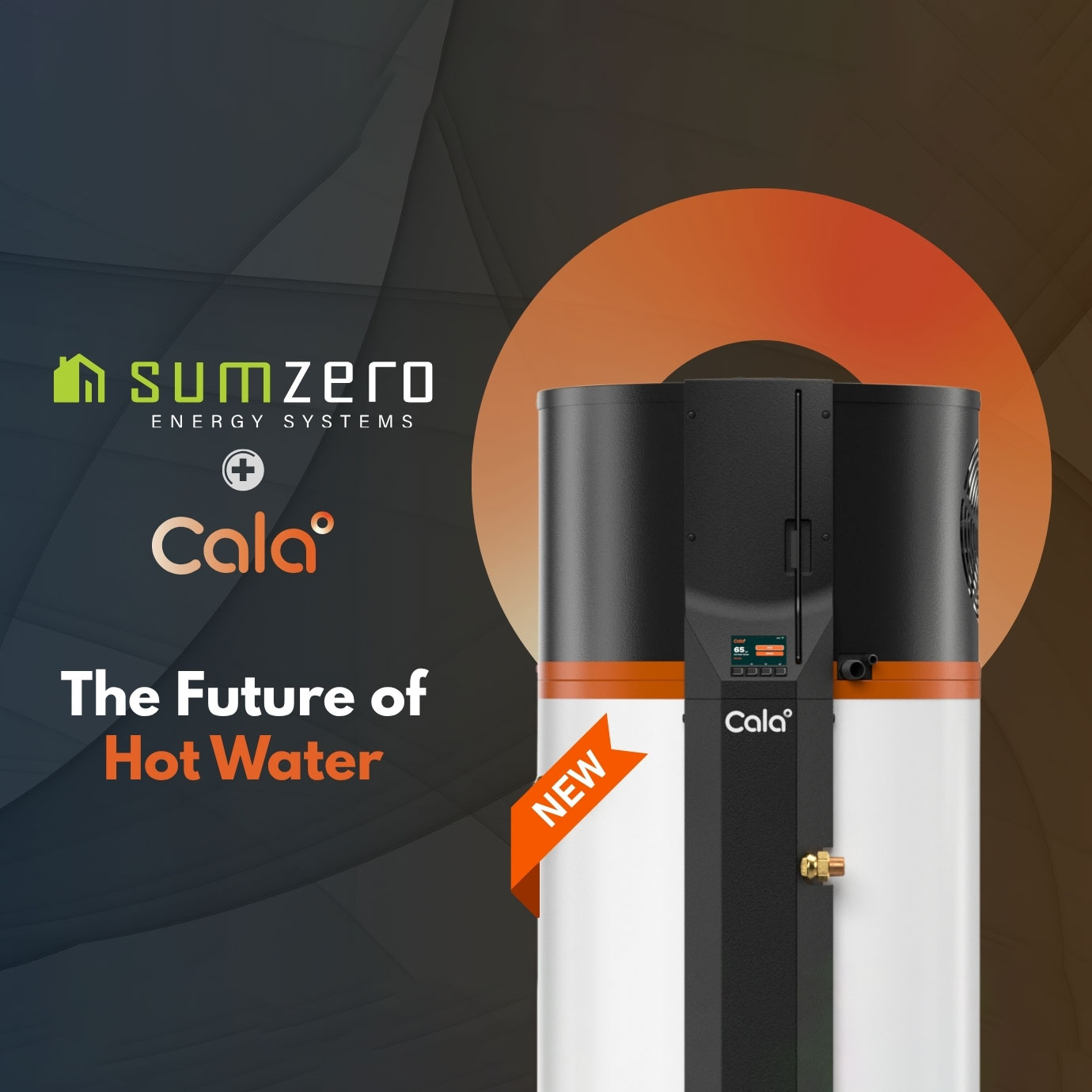
Here’s how the characteristics we’ve learned apply to Cala. To learn even more about our system, how it’s changing water heating, and whether it’s right for you, please head to our website.

  • Fuel: Electric
  • Technology: Heat pump, with electric resistance backup
  • Physical Type: Storage tank
  • Sizing: 65 gallons nominal
  • Intelligence: Advanced
Share this post
Cala Systems

If you're a homeowner starting your water heater purchase journey, or you’ve found it difficult to sort through all the information to understand your different options, this guide will provide clarity by breaking down the fundamental characteristics that define every water heater so you can make an informed decision for your home.

The Five Essential Characteristics of Water Heaters

To understand your purchase options, you just need to grasp five basic characteristics of water heaters:

  • Fuel Type
  • Heating Technology
  • Physical Type (Tank vs. Tankless)
  • Sizing
  • Intelligence

Let’s explore each of these in detail.

1. Water Heater Fuel Type

In the US, most water heaters operate on one of three types of fuel:

  • Natural gas: ~47% of installations
  • Electricity: ~46% of installations
  • Oil and propane (“delivered fuels”, arrive by truck): ~7% of installations

While these make up the vast majority of water heaters, there are some other corner cases like solar water heaters which use energy from the sun harnessed via a home’s solar panels.

2. Water Heating Technology

This characteristic is easy to confuse with fuel type, but is not quite the same thing – fuel is what provides the energy to heat the water, but heating technology is how that energy is used to heat. Let’s break this down by looking at the heating technologies used by systems with different fuels.

Electricity

  • Heat Pump Water Heater: Transfers heat from one space to another – think of an air conditioner or a refrigerator – by using a compressor to move refrigerant (a liquid good at transferring heat) through the system. While the performance depends on the temperature of the ambient air, they are far more efficient than other types of heating technology and can even operate in colder climates, contrary to popular myth.
  • Electric Resistance Water Heater: Heats the water directly with resistance elements, just like a toaster. This technology dates back over 100 years, and while it heats water quickly, it’s very inefficient.

Natural Gas

  • Standard/Non-Condensing Water Heater: Uses a flame below the tank to heat the water. While these units are relatively inexpensive, they operate at only around 60-65% efficiency and can also produce harmful fumes.
  • Condensing Water Heater: Similar to a standard natural gas water heater, but is able to extract additional heat from the combusted gas making it more efficient but also more expensive.

Oil or Propane

  • Standard Propane Water Heater: Similar to a standard natural gas water heater but uses propane which contains a higher energy content making it more efficient to operate, but usually more expensive to buy upfront.
  • Indirect Water Heater: Uses a home’s oil-fired furnace or boiler to heat water in a separate storage tank. These systems are common in the Northeast.

3. Water Heater Physical Type (Tank vs. Tankless)

This characteristic divides water heaters into two categories based on their physical construction

  • Tank-based systems, also called Storage Tank water heaters
  • Tankless systems, also called Instantaneous or On-Demand systems

Let’s look at how they compare:

Basic Operation

  • Tank: Uses energy to heat water which is held in a storage tank.
  • Tankless: Uses energy to heat water on demand as it’s needed.

Power Requirements

  • Tank: Uses electricity, natural gas, oil, or propane as a fuel. See previous sections for descriptions.
  • Tankless: Requires very high power because they must heat the water “instantly” as it’s called for. Most tankless systems use natural gas although electric tankless systems are available, primarily in the southern US. 

Installation and Maintenance

  • Tank: Typical sizes are 50, 65, and 80 gallons, meaning they can store a good amount of hot water but require more space in a home. Installation costs vary depending on the existing system (like-for-like replacements are less expensive than, say, converting from a natural gas to an electric or heat pump water heater). 
  • Tankless: Compact size offers space-saving advantages. Installation can be costly due to the larger gas lines and/or higher electrical capacity required, as well as yearly maintenance costs to ensure proper operation due to the high temperatures the system needs to heat water on demand.

Performance Characteristics

  • Tank: Properly sized storage tank water heaters will provide adequate hot water for a home with high demand usage.
  • Tankless: While these systems often promise “endless” hot water, in reality they’re not the best fit for homes with higher demand, like multiple showers back to back or at the same time.

4. Sizing Your Water Heater

Sizing your water heater is a critical characteristic to ensure you’re not under or overproviding hot water. Sizing is most relevant to storage tank water heaters and depends on:

  • How many people are in the home
  • Typical hot water usage some text
    • Average usage = 1 shower/day per person + handwashing, dishwashing
    • High usage = multiple showers/day per person, simultaneous showers, and/or back-to-back showers
  • 50 Gallons: Up to 4 people with average usage, or 2-3 people with high usage
  • 65 Gallons: Up to 4-6 people with average usage, or 4 people with high usage
  • 80 Gallons: 6+ people with average usage, or smaller homes with exceptionally high demand

5. Water Heater Intelligence

Intelligence in water heaters represents a recent evolution in functionality, but not all intelligence is created equal. These features are typically limited to heat pump water heaters and electric resistance water heaters.

Basic Intelligence

  • Many water heaters have recently added basic “smart” features that offer limited benefits, usually tied to a companion smartphone app that allows you to:some text
    • Remotely control the unit
    • Manually program schedules
    • Do basic monitoring of energy consumption

Advanced Intelligence

  • Few water heaters offer advanced intelligence delivering significant benefits such as:some text
    • Automatically optimizing heating to minimize costs
    • Automatically optimizing heating to minimize carbon emissions
    • Automatically synchronize water heating to coordinate with your home solar
    • Automatically adjusting water heating temperatures and schedules based on your home’s unique hot water usage patterns

In the final section, we’ll characterize Cala based on what we’ve learned.

How Does Cala Stack Up?

Here’s how the characteristics we’ve learned apply to Cala. To learn even more about our system, how it’s changing water heating, and whether it’s right for you, please head to our website.

  • Fuel: Electric
  • Technology: Heat pump, with electric resistance backup
  • Physical Type: Storage tank
  • Sizing: 65 gallons nominal
  • Intelligence: Advanced
latest ARTICLES

Cala + Home Assistant: Water Heating That Responds to Your Home

Read Article

Cala Pro Spotlight: SumZero Energy Systems (Mass)

Read Article

Cala’s Intelligent Heat Pump Water Heater is Now Certified

Read Article

Employee Spotlight : Dustin Cox, Southeast Territory Manager.

Read Article