

One of the biggest misconceptions about heat pump water heaters is that they’re higher maintenance than traditional electric and natural gas units.
In reality, there are only two additional maintenance tasks specific to HPWHs, and together they take just a few minutes each year.
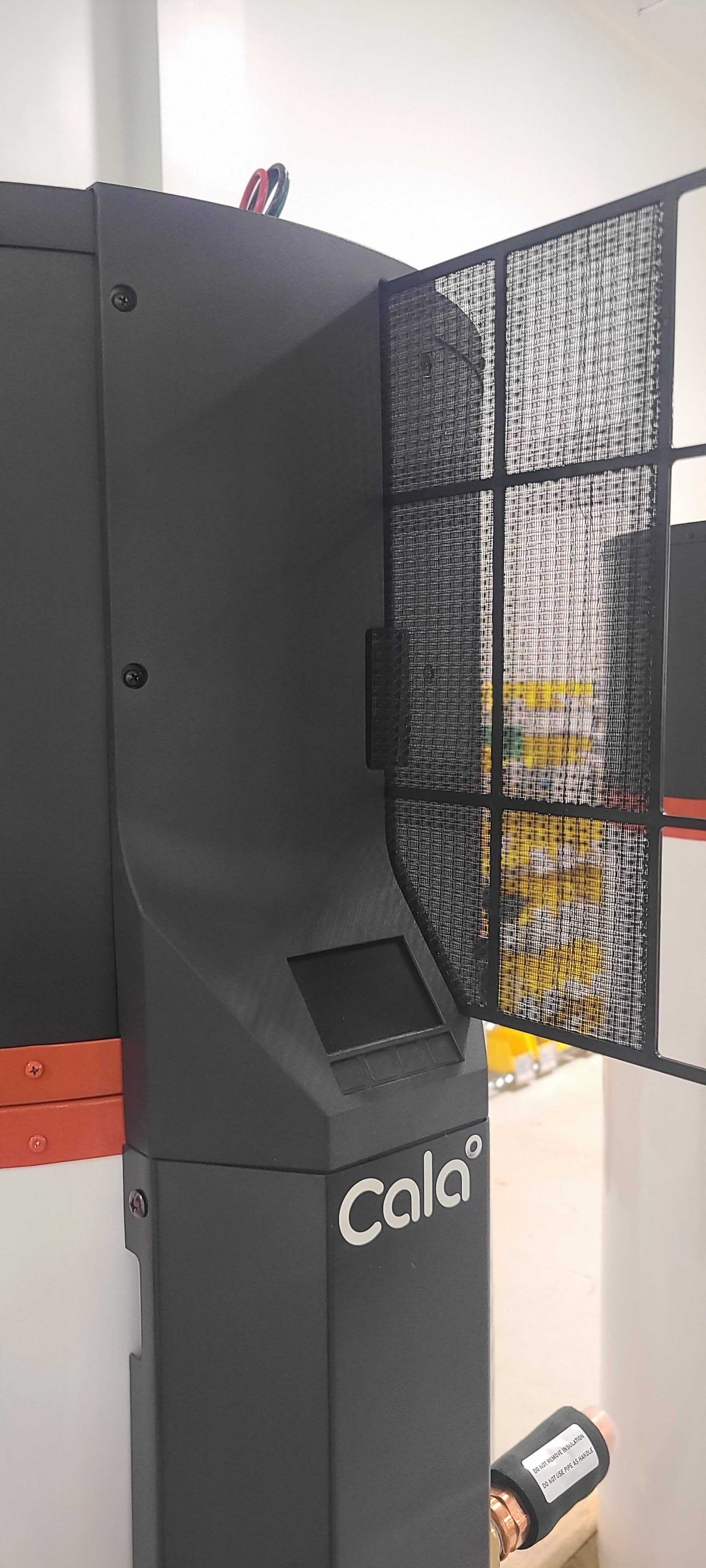
- Clean the Air Filter: Just like other heat pumps (e.g. air conditioners), HPWHs pull air through a filter to keep dust and debris from accumulating on the heat pump components inside the unit. Over time, a dirty filter can restrict airflow and reduce performance and efficiency. The good news is that cleaning this filter is quick and easy:
- Locate and remove the air filter - Cala’s is uniquely accessible from the front - rather than the top - and includes a tab; both features make removal and cleaning much easier
- Wipe it clean or rinse it with water (if rinsing, ensure it dries off completely)
- Put the filter back in
We recommend checking the filter every 3–6 months. The entire process takes about five minutes.
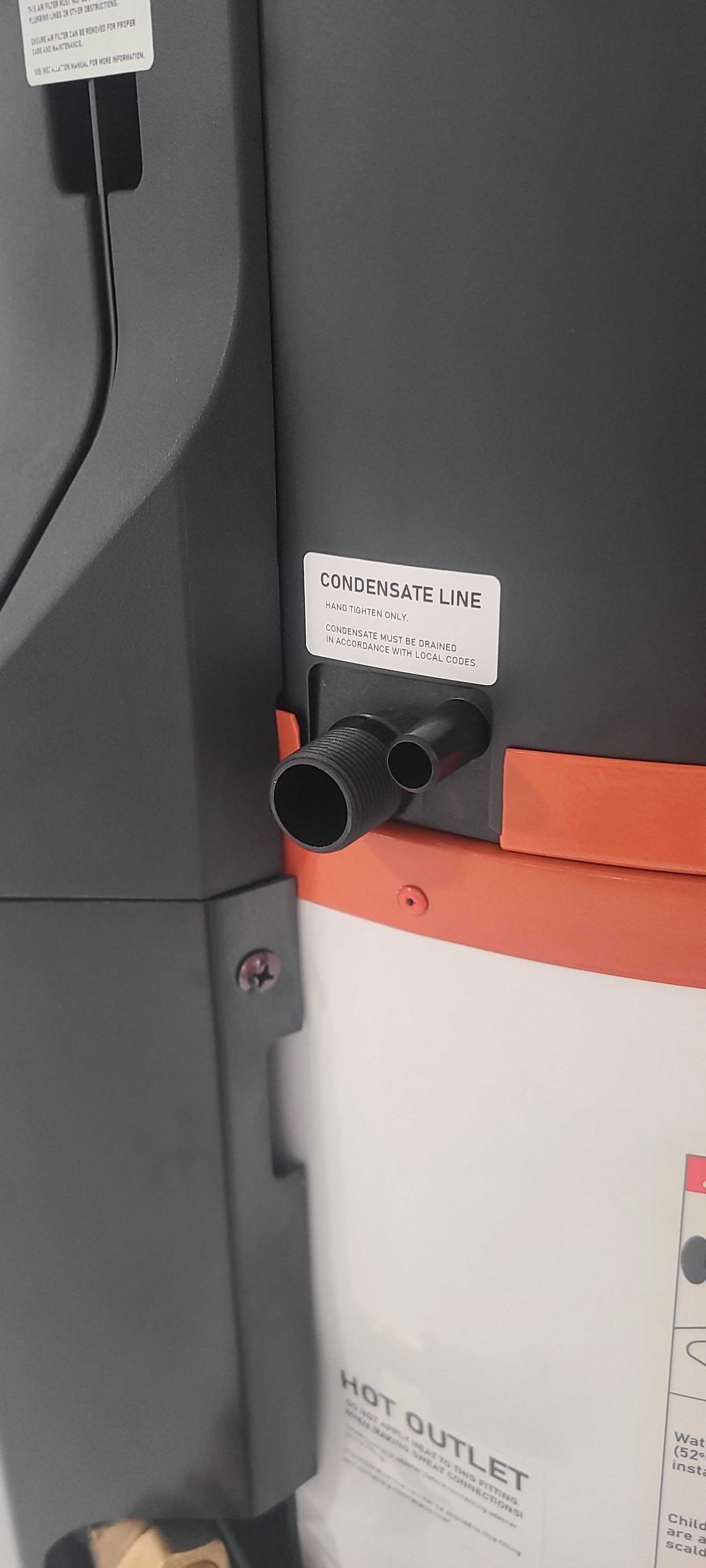
- Check the Condensate Line. As the heat pump operates, it removes a small amount of moisture from the air, similar to an air conditioner or dehumidifier. That moisture drains away through a condensate line. Once a year, spend a few minutes taking a quick look at the condensate line and ensure:
- There are no visible blockages
- There are no leaks
- The tubing is still securely connected
- If your installation includes a condensate pump, verify the pump is operating normally with no signs of leakage
In addition to those two heat-pump-specific items, there are a few maintenance tasks recommended for virtually every tank-style water heater:
- Flush the tank annually to remove sediment buildup
- Test the Temperature & Pressure (T&P) relief valve annually to verify it’s operating properly
- Inspect the anode rod every 3–5 years and replace it if it’s depleted; this protects the tank from corrosion
Routine maintenance helps any water heater continue to perform efficiently and can extend its service life - HPWHs are no different and require only a few extra minutes per year of care.


.jpg)