
Will the hot water be there?
Ask how much water the heat pump has ready, and what happens on a busy morning. Across 312 connected homes, 99.7% of Cala draws were at or above target temperature.10
Hot water →
Compare them on three things: hot water you can count on, how much electricity it uses, and whether it gets smarter over time.
Cala’s figure is metered across 312 connected homes over a year. Reservoir’s is its own published household figure. The two are counted differently; both methods are set out here.
What to compare
A water heater runs every day for ten years or more. These are the things you’ll notice over that time, and the order this page takes them in.
Ask how much water the heat pump has ready, and what happens on a busy morning. Across 312 connected homes, 99.7% of Cala draws were at or above target temperature.10
Hot water →Ask how much of the heat comes from the heat pump rather than backup elements. Across a full year, Cala’s heat pump supplied 93% of delivered heat.10
Efficiency →Ask whether it learns your household and adapts to your electricity rate and solar. Cala learns your routine, and time-of-use and solar support are standard on every unit, ready when your rate changes.7
Intelligence →At a glance
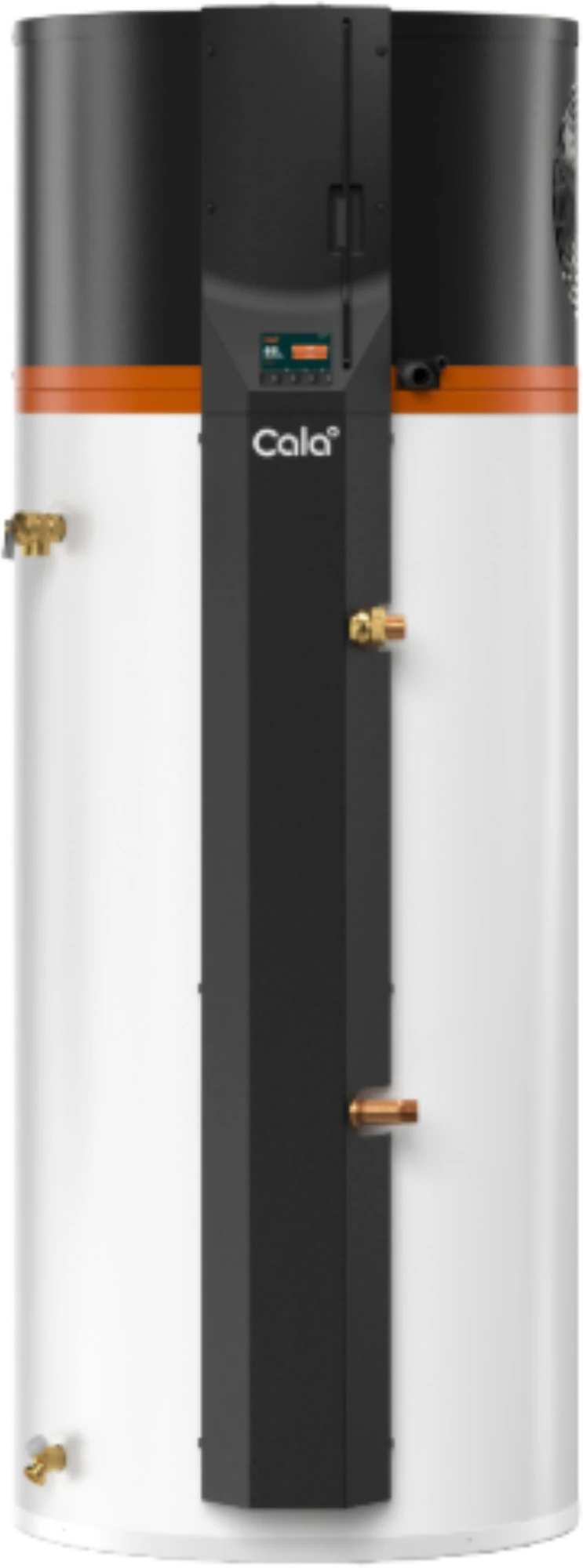
Every Cala ships fully equipped. Reservoir divides its features between two configurations a thousand dollars apart, so it matters which one your quote is for. Every figure below is taken from each company’s own specification page on 1 November 2026 and linked in the sources. Where a manufacturer doesn’t publish a figure, we say so rather than guess.
Your plumber or a Cala Pro quotes the install for your house, so you can take competing quotes on that part.8
Flat rate, installation included. Electrical work, if needed, +$500.2
Getting a Reservoir quote? Ask which configuration it is for, and whether it includes Rapid Recovery Boost. Core and Max use the same 47-gallon tank; only Max adds the boost.12
Prices before rebates. Cala installation quoted separately; Reservoir installation included. Specifications checked 1 November 2026. See sources.
Hot water you can count on
Both store water hot and mix it down to tap temperature, and both use resistance heat for unusual demand. The difference is how much hot water the heat pump has ready before backup heat is needed.
A larger tank holds more water the heat pump has already heated, so long runs of showers and baths draw on it first. A variable-speed compressor modulates between 1,000 W and 1,800 W, running long and gentle rather than in hard bursts. Two 4,500 W backup elements stay available for unusual demand.1
A 47-gallon tank on both configurations. Rapid Recovery Boost comes only with Max, the $6,000 configuration. Rapid Recovery Boost is an electric resistance heater that heats water as it flows out to the house, using roughly four times the electricity the heat pump would for the same hot water. On Core you have a smaller tank and no inline heater.2 12
Heat pumps use less electricity than resistance heaters, so every gallon the compressor covers costs less to heat. The question is how often resistance heat is needed.
Electric resistance heating turns electricity into heat at about one to one. A heat pump moves heat rather than making it, which is why both of these units are rated above 3.5. Every gallon heated by an element instead of the compressor is heated at roughly a quarter of the efficiency.
Both units are rated on the standard DOE draw pattern — Cala 3.76, Reservoir 3.53.1 2 Boost modes sit outside that test on either product. Cala’s boost runs for up to 72 hours and makes as much hot water as it can, regardless of efficiency;13 Reservoir’s Rapid Recovery Boost is a Max-only feature that heats water on its way out of the tank.12 The more either is used, the further real-world efficiency sits below the rated figure.
Fleet data
Across the full year, Cala’s heat pump supplied 93% of delivered heat, with backup elements covering the rest.
of heat supplied by the heat pump
of draws at or above target temperature, at the heater’s outlet
homes reporting
gallons of hot water delivered
Cala’s own unit-reported data, not an independent test or controlled comparison. Results vary with household demand, incoming water temperature, settings and installation conditions.
Efficiency
The figures are measured differently, and your own use will vary.
Smarter over time
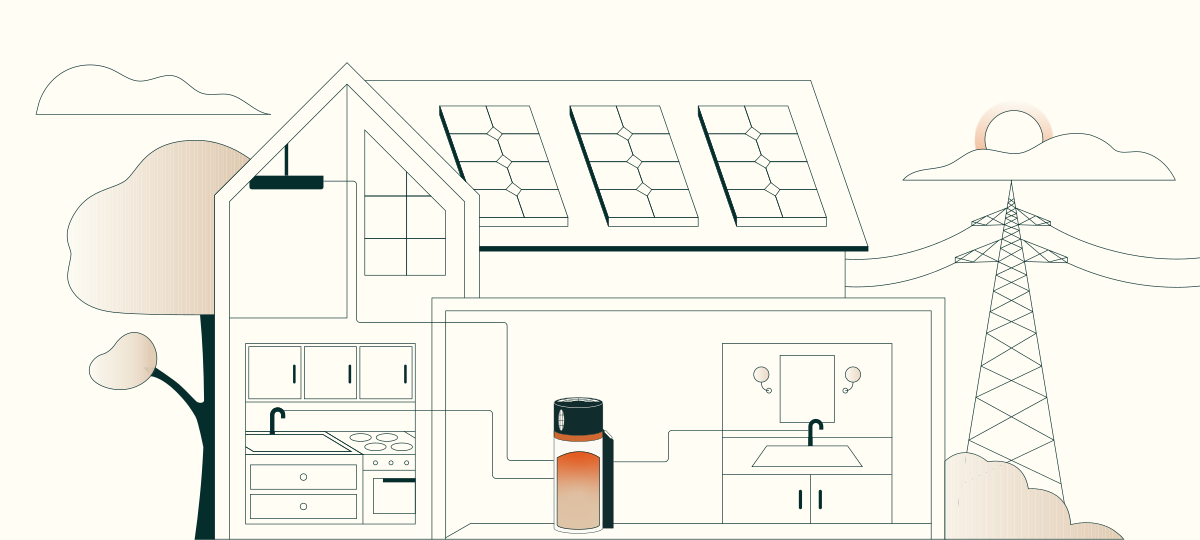
Adjusts when, how fast and how hot it heats around your household’s hot water use.7 Its planning is built on physics-based predictive control, using a model of your tank to heat ahead of demand, and its forecasts improve as it learns your home.
Allow about a month to learn your pattern. Backup elements remain available for unusual demand.1
Your first month: how Cala learns →Stores hotter water and mixes it to tap temperature, stretching the tank’s usable supply. Across Cala’s connected fleet, 93% of delivered heat comes from the heat pump.10
That is a fleet measurement, not a lab test. It counts heat delivered, which is a different quantity from electricity drawn, and it is not a controlled comparison with another product.10
Read the fleet report →On a time-of-use rate, Cala can shift heating to cheaper hours.7
Savings depend on your tariff. Scheduling changes when you use electricity; it doesn’t itself mean lower consumption. Flat-rate customers get no bill savings from shifting hours.7
Add your time-of-use rates →Uses solar production and battery charge data to time heating around your home’s available energy.7
Requires compatible equipment and account linking. Confirm support for your inverter and battery before buying.7
Set up Solar & Battery →Assembled here
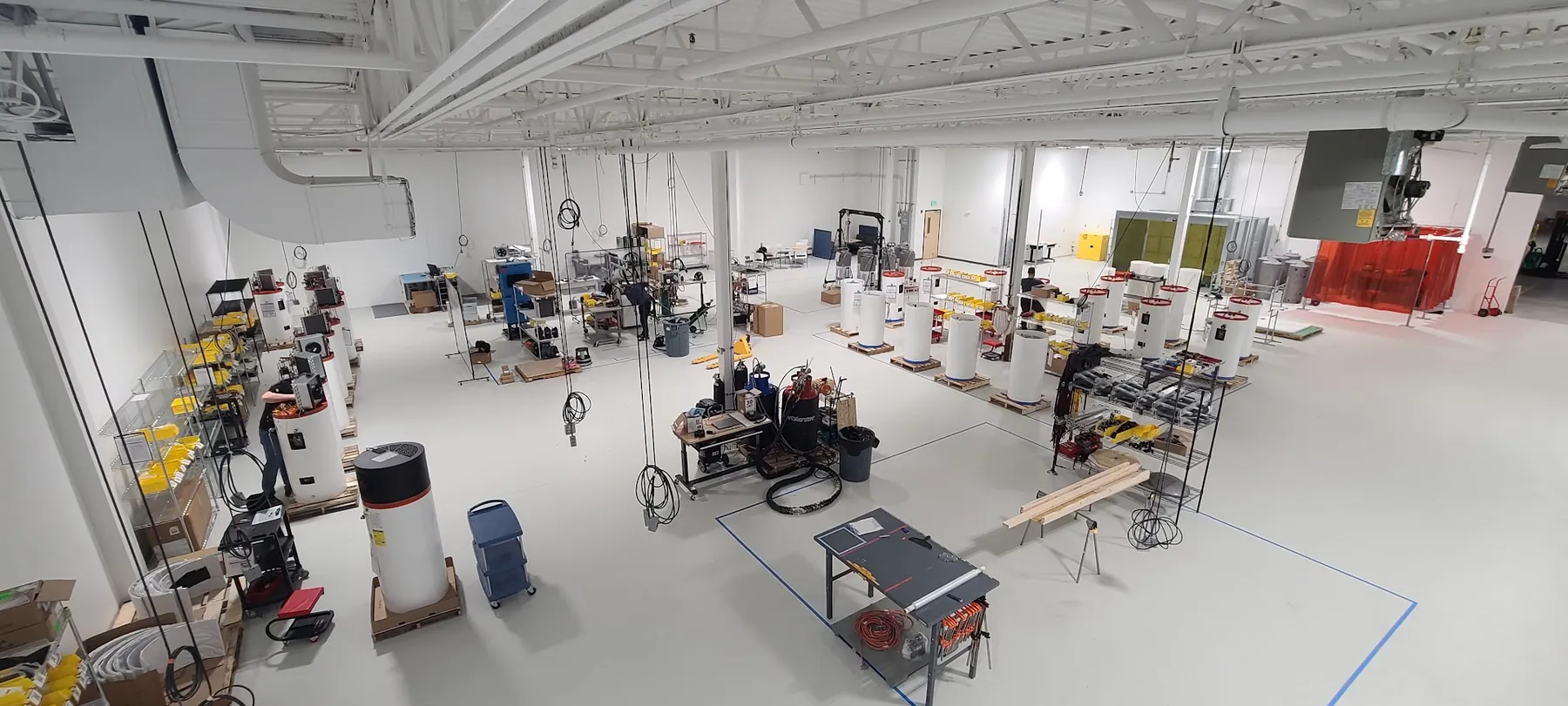
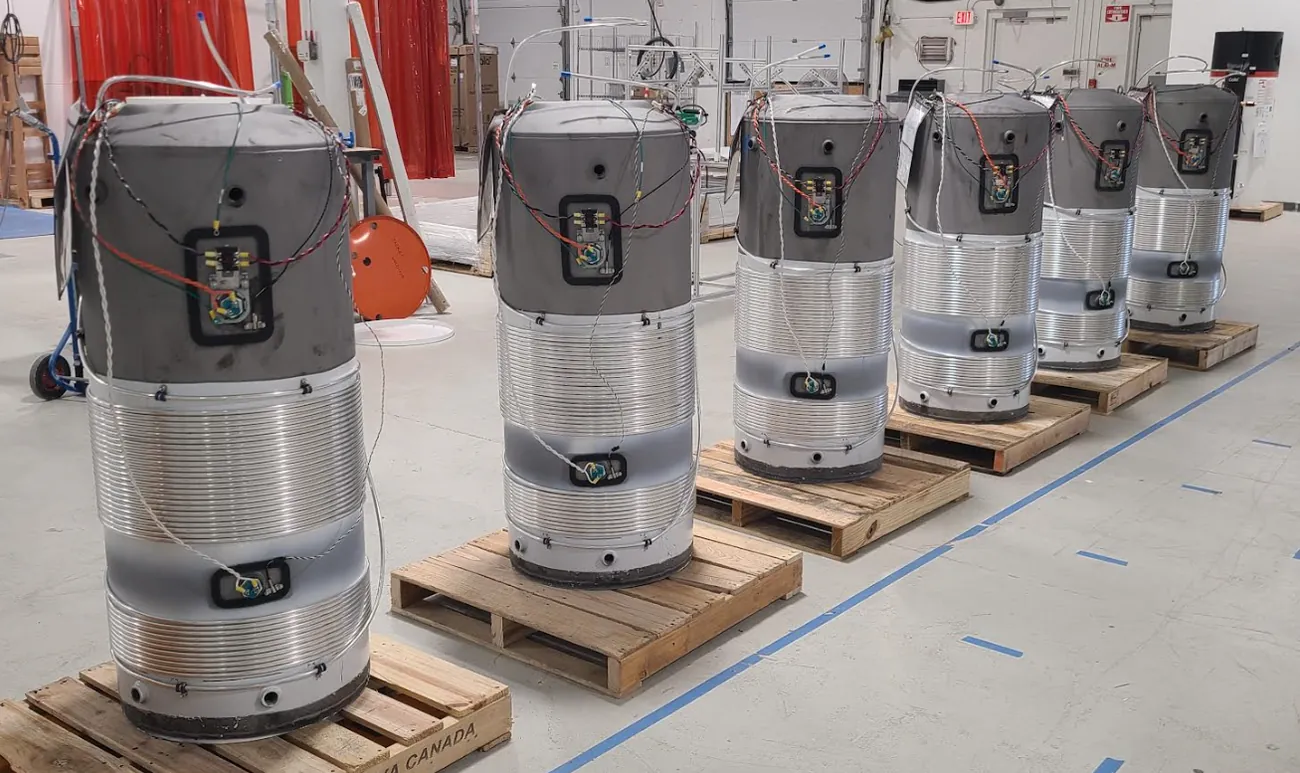
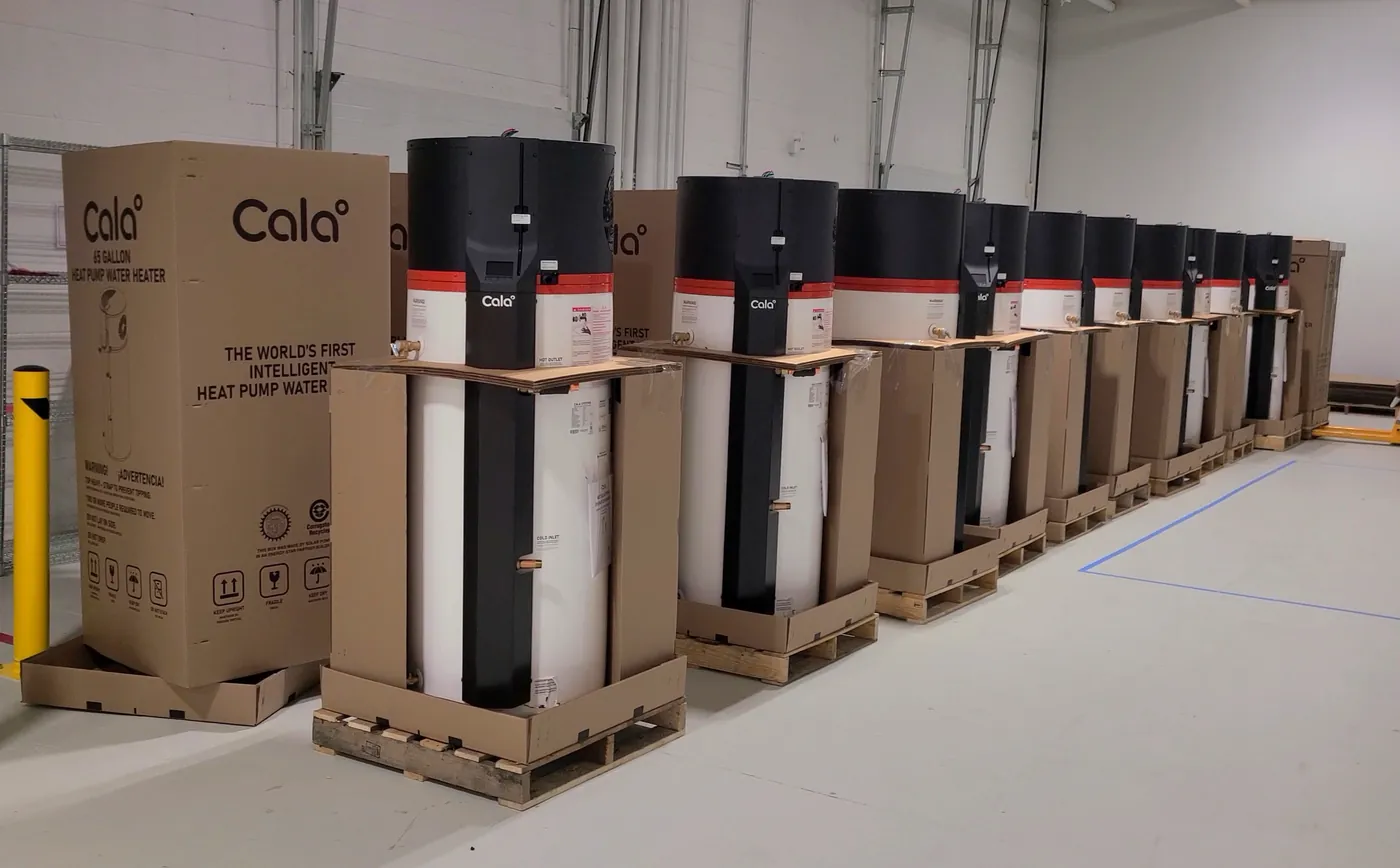
Cala is assembled by our own team in a 25,000 sq ft factory in Wilmington, where engineering, software and manufacturing sit under one roof. Every unit is tested before it ships. It’s a short loop between what we learn in a customer’s house and what changes on the line, and if you’re in Massachusetts or Maine, your Cala was assembled a short drive from your house.

Installation and service
A water heater can last ten to fifteen years. Who can service it in year eight matters as much as who installs it on day one.
Ten years is a long time to depend on a single provider. Cala gives you local service options throughout the life of your water heater.

From owners
Individual accounts from verified Cala owners. They describe those homes, not a typical result, and they aren’t evidence of comparative performance or savings.
“With four of us, we haven’t run out of hot water even with back-to-back showers. I’m really happy with my choice. It came down to Cala or Reservoir, and I’m glad I went with Cala.”
“Absolutely zero problems. Tons of capacity. Super efficient. It’s operated in heat pump mode exclusively 100% of the time.”
“This is my second heat pump hot water heater and the Cala quality is head and shoulders above the ones sold in the big box stores.”
Local control
Monitor your tank, trigger a boost and set electricity-rate schedules through Cala’s open-source integration. The connection runs over your home network, without routing through Cala’s servers.
Solar and battery data inform Cala’s heating decisions; they don’t provide direct control.5
Install from the Home Assistant Marketplace (HACS on Home Assistant before 2026.11) or copy the component into your configuration folder, then restart Home Assistant. Cala recommends the Mosquitto MQTT broker.
Pair using the code on your Cala’s display under Settings → Advanced → Home Assistant.
Rate schedules support up to four seasons, four day schedules per season and eight periods per day. Periods cannot cross midnight.5
Published under the MIT license.
# Settings → Marketplace → Add from link
# then install Cala

✓ Cala discovered via mDNS
✓ Paired with code from the display
✓ sensor.cala_tank_temperature
✓ sensor.cala_boost_mode_on
✓ sensor.cala_tou_schedule
✓ button.cala_start_24h_boost
✓ service: cala.set_tou_schedule

# MIT license · github.com/cala-systems/cala-home-assistant
Next step
Check whether a Cala Pro covers your ZIP code, and what an installed price looks like for your house. If you’d rather use your own plumber, Cala will support them through the install.
Bringing your own plumber? The equipment is $2,999 direct, before rebates, shipped by freight truck, and your plumber quotes the install.8
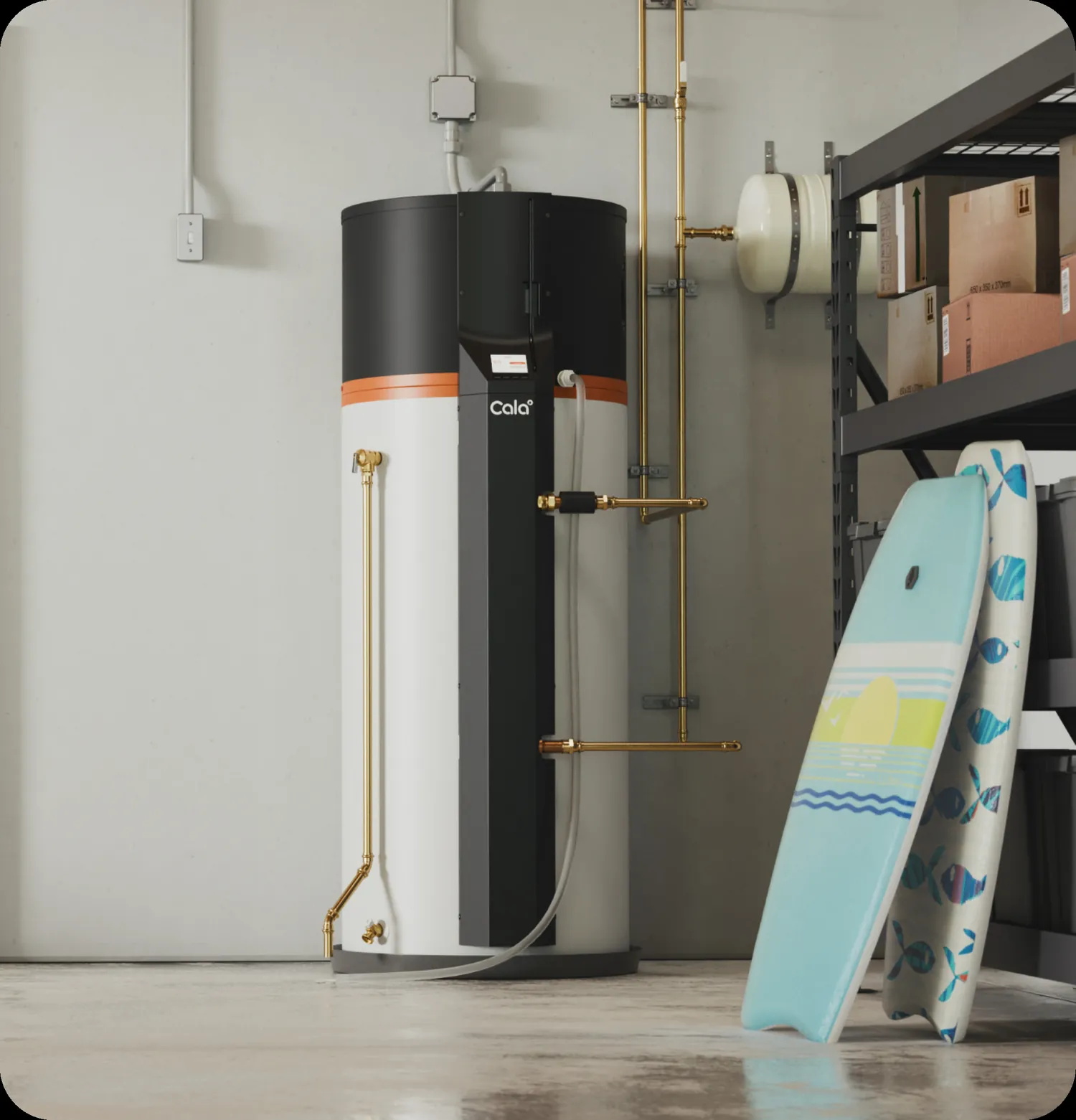
All manufacturer specifications were read from each company’s own published pages and last reviewed on 1 November 2026. Published specifications, prices, rebates and service areas change. Where a figure is not published by the manufacturer, this page says “Not verified” rather than inferring an answer.
Uniform Energy Factor is a US Department of Energy rating. It is comparable only between products tested in the same draw-pattern bin, which is assigned by first-hour rating. First-hour rating and “virtual capacity” are different measures and should not be compared with one another.